


Description
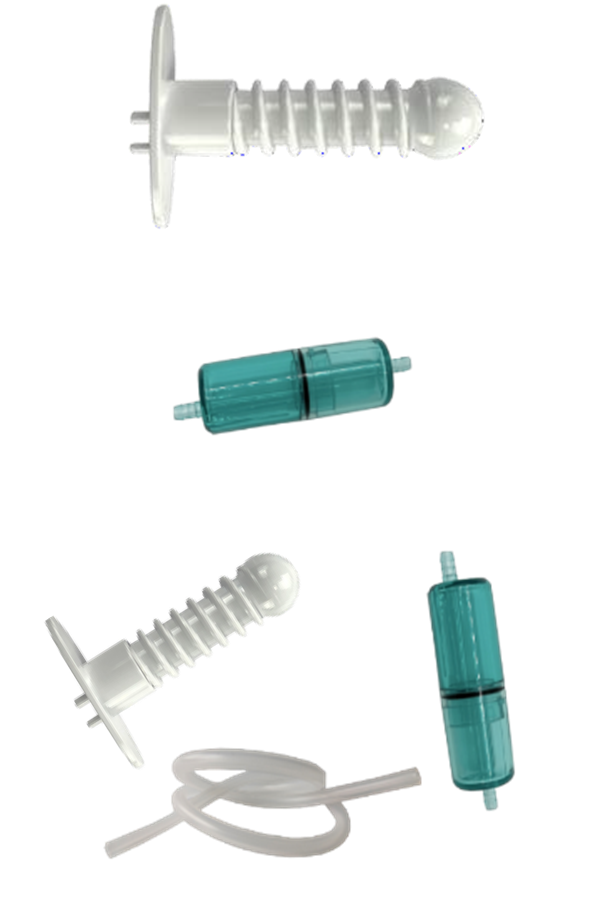
Vaginal Insufflation Kit
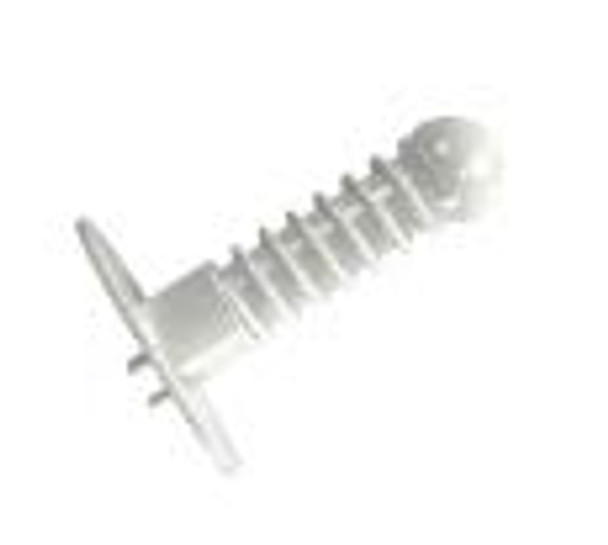
Vaginal adapter with hose and water collector
- 50 cm slicon tube for connecting. Ozonator or Oxygen Concentrator not included
- Ozone Insufflation Treatments should be done under medical supervision and by a physcian or adequately trained professional trained in ozone therapy or nurse or paramedical professional may do the procedure.
Vaginal Insufflation may be given daily or every other day. Cycles to be administered once a year or more. The volume of ozone-oxygen mixture to use varies between 2.0 and 5 L. Frequency of treatment: The number of treatment sessions administered depends on the general result and the main disease. Ozone concentrations recommended dose (10-30) µgN/mL in a total volume of (1-2) L at a constant flow of (0.1 to 0.2) L/min for 10 min. Lower concentrations of 5-9 µgN/mL can be used at a greater flow rate (0.5 – 1) L/min and with a shorter duration of a session. Сoncentrations above 30 µgN/mL should be avoided because of the theoretically increased risk of suppression of Lactobacilli, immune-competent cells and induction of local oxidative stress.
A clinical and/or laboratory evaluation is necessary to establish a precise diagnosis and to permit comparisons between the patient’s status before, during and after ozone therapy.
Right before the insufflation, the vagina has to be washed with ozonized distilled water at concentration of (10-30) µg/mL. Follows the introduction in the vagina the lubricated device and to connect it throughout two cannulas, one to the ozone generator and the other to the ozone destructor. Proceed to insufflate the ozone-oxygen mixture at concentration between (5-30) µgN/mL during (5- 10) min at 200 mL/min of a constant flow. Flow rate (0.1 – 2) L/min. When finished with the insufflation, apply 1 mL of any vaginal lubricator followed by 1 mL of ozonized oil at 600IP. In total 10 procedures are advised. Since the ozone causes dryness of the vaginal epithelium, it is advised to lubricate the vagina right after the procedure with any vaginal lubricator.
All patients, during treatment, demonstrate clinical improvement: pathologic discharge, unpleasant odor, itch, hyperemia, discomfort and dyspareunia - decrease or completely disappear. The effect is stable and lasts for 2 - 8 months. Bacterioscopic and bacteriologic studies of the vaginal discharge show elimination of pathogenic and opportunistic microorganisms. Laboratory tests reveal improvement in antibiotic susceptibility, a decrease in the levels of IgM, an increase in the concentrations of IgA and lysozyme in vaginal secretions (Schwartz A., 2015). It should be noted, that ozone therapy doesn't exclude the use of the antibacterial, antifungal or antiviral drugs - depending on the etiology of the infectious process (Grechkanev G.O., 2009, 2013; Yarustovskaya O. V., 2015). In the light of the foregoing, it may be concluded that vaginal insufflations of the ozone-oxygen mixture as a part of a complex treatment for infectious pathology of the lower genital tract is highly efficient. Ozone therapy, sanitizing the vagina and normalizing the humoral immunity and cell-mediated immunity, facilitates persistent recovery and also reduces the use of antibacterial drugs and disinfectants.
Contraindications inclue: Absolute contraindications: virginity, bleeding from the vagina and/or the cervix, external huge genital condyloma, or anatomical abnormalities, preventing insertion of a speculum into vagina. Favism*. Pregnancy in the first 3 months (For clinical and/or legal reasons).
Related Products
Related Products

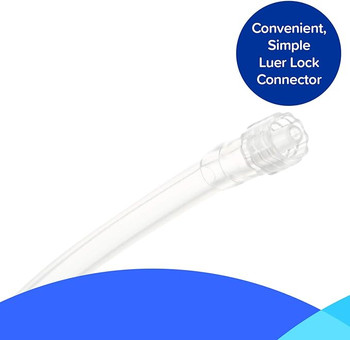
Earscope for Ozone Insufflation
Nuvalsa
$39.00
Earscope
Earscope for Ozone insufflation. With Female Luer Lock for use with ozonator

Leg Ozone Insufflation Bag
Nuvalsa
$59.95
Leg Insufflation Bag - Reusable
Easy to use bag for the entire leg
Silicone Ozone Resistant Bag for use with Ozonator and Oxygen Concentrator (not included)


Arm Ozone Insufflation Bag
Nuvalsa
$39.95
Arm Insufflation Bag - Reusable Ozone Bag
Easy to use bag for the entire arm
Silicone Ozone Resistant Bag for use with Ozonator and Oxygen Concentrator (not included

Hand Ozone Insufflation Bag
Nuvalsa
$34.95
Hand Insufflation Bag - Reusable Ozone Bag
Easy to use bag for the entire arm
Silicone Ozone Resistant Bag for use with Ozonator and Oxygen Concentrator (not include